


Someone asked me this question once. “Does working with hazardous chemicals and products at work cause you more stress?”
Until I was asked that question I never gave it much thought. Part of the reason is because I have always been taught the proper handling protocols and safety factors and what to do if something does go wrong. So when asked the question I thought on it.
My short answer, no. Nothing scares me. (okay except snakes, lol)
The truth is some products I handle could easily kill me, if I don’t handle them properly. That is why company’s are always preaching safety and we are always having to sit through safety meetings and, even though it seems like we’re sitting through the same slideshow or movie time and time again, those meetings are powerful. Safety doesn’t happen by accident. It has to be taught. That is why it is so important to go to those meetings and watch those clips and slideshows. Some of those situations are ones you hope you never have to encounter, but if you were to, you need to be prepared.
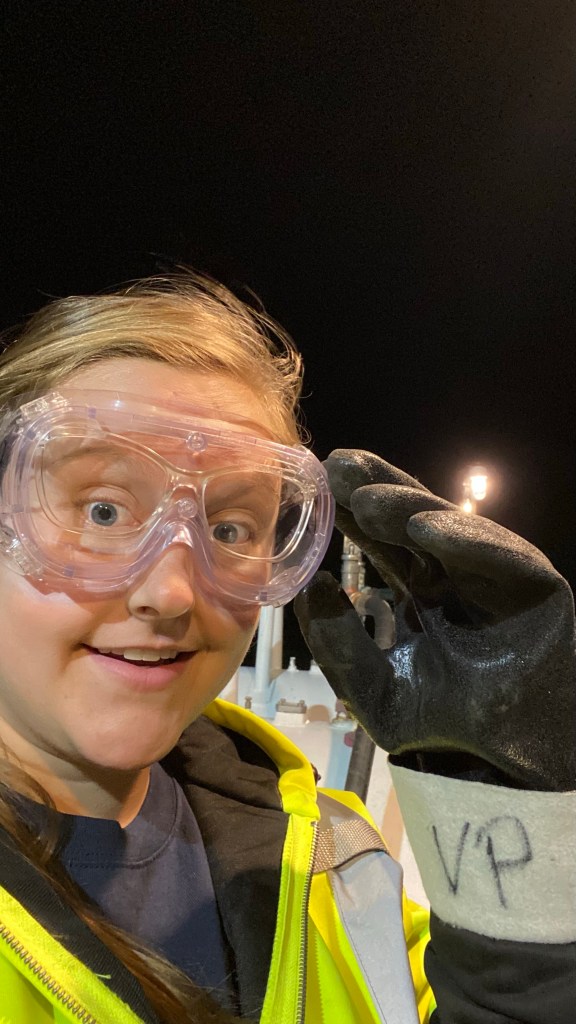
The reason this whole topic came to mind was because we are entering the lovely anhydrous season. Ahh yes, anhydrous. I can not wait to fill tanks all day and have dreams of filling tanks all night. All jokes aside. Anhydrous can be a monster. It is by far one of the most dangerous products we handle in this industry. You have to follow all the safety protocols and wear personal protective equipment (PPE) because (like any accident) things can happen in a heartbeat. The best way to protect yourself is to practice safety. Our PPE is very important and should never be taken as a joke or thought of last. Should be first thing on your mind.
- Long sleeve shirt
- Sealed goggles
- Rubber gloves with the ends folded up
- Long pants
- Boots
- Absolutely no contacts!!
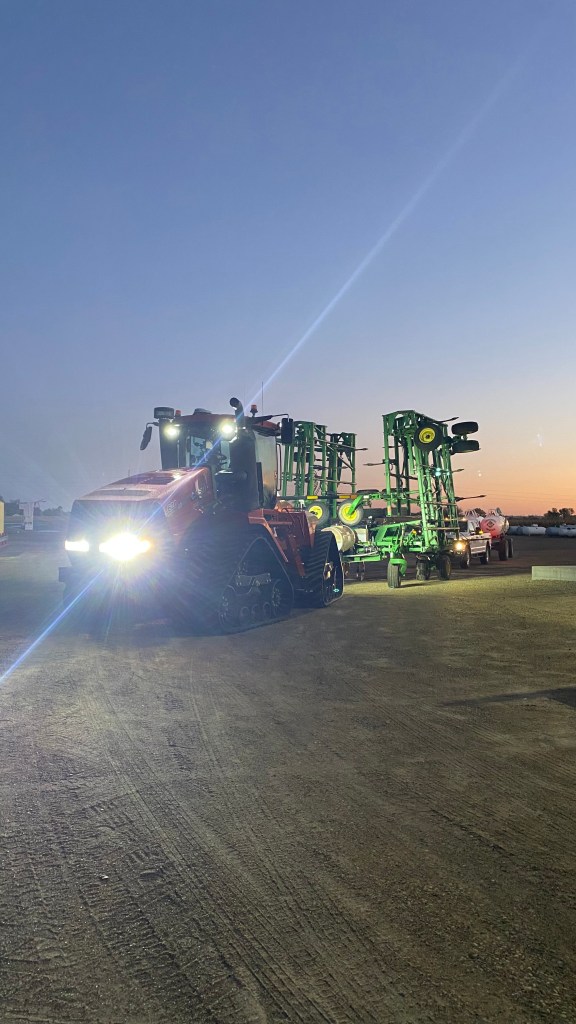
Maybe you don’t actually handle anhydrous yourself, but chances are if you live in rural America, you have seen an anhydrous tank being pulled by a pickup or even being applied in the field. Just with farming in general, please be patient. I know it can be hard to be stuck behind large moving equipment. Just take a deep breath and know they most likely won’t be on the road for a long stretch. If you do pass, please pass safely. No one wants an accident to happen.
Here is a little excerpt from a recent social media post of mine:
Anhydrous Ammonia (NH3) is the foundation of all nitrogen fertilizers.
This probably doesn’t mean much to many people but for agriculture it means everything. Without anhydrous, we would have a hard time finding sources of nitrogen to feed the plants. Especially our staple crop in the Midwest, corn. If you are aiming for 250 bushels per acre, did you know you’ll need 250 pounds of nitrogen for those plants to grow?
Many farmers use practices such as crop rotation to help with the high demand of nitrogen. Soybean and corn rotations are popular in my area.
Soybeans do this cool thing called nitrogen fixation where the plant can actually take nitrogen out of the atmosphere and fixate it to nodules in the soil that will be available to plants in the future.
3 facts about Anhydrous Ammonia:
- -28 degrees F anhydrous is a liquid. When the temp is above -28, anhydrous is pressurized to keep it in a liquid form. (Which is 95% of the time😂)
- Anhydrous translates to “without water”. That is why water plays a huge role in the safety of handlers and applicators. If there were ever an accident, water will help with drawing the anhydrous away from skin (since it is water seeking).
- It is a colorless, highly-potent odor gas that is lighter than air.
Anhydrous is no joke and should always be used with caution and taken seriously. Proper PPE (personal protective equipment) and training will ensure everyone is kept safe. Professionals only please 👩🏼🌾👩🏼🔬🥽🧤
With love,
Victoria

 Farming, Fitness, and Food with Victoria